
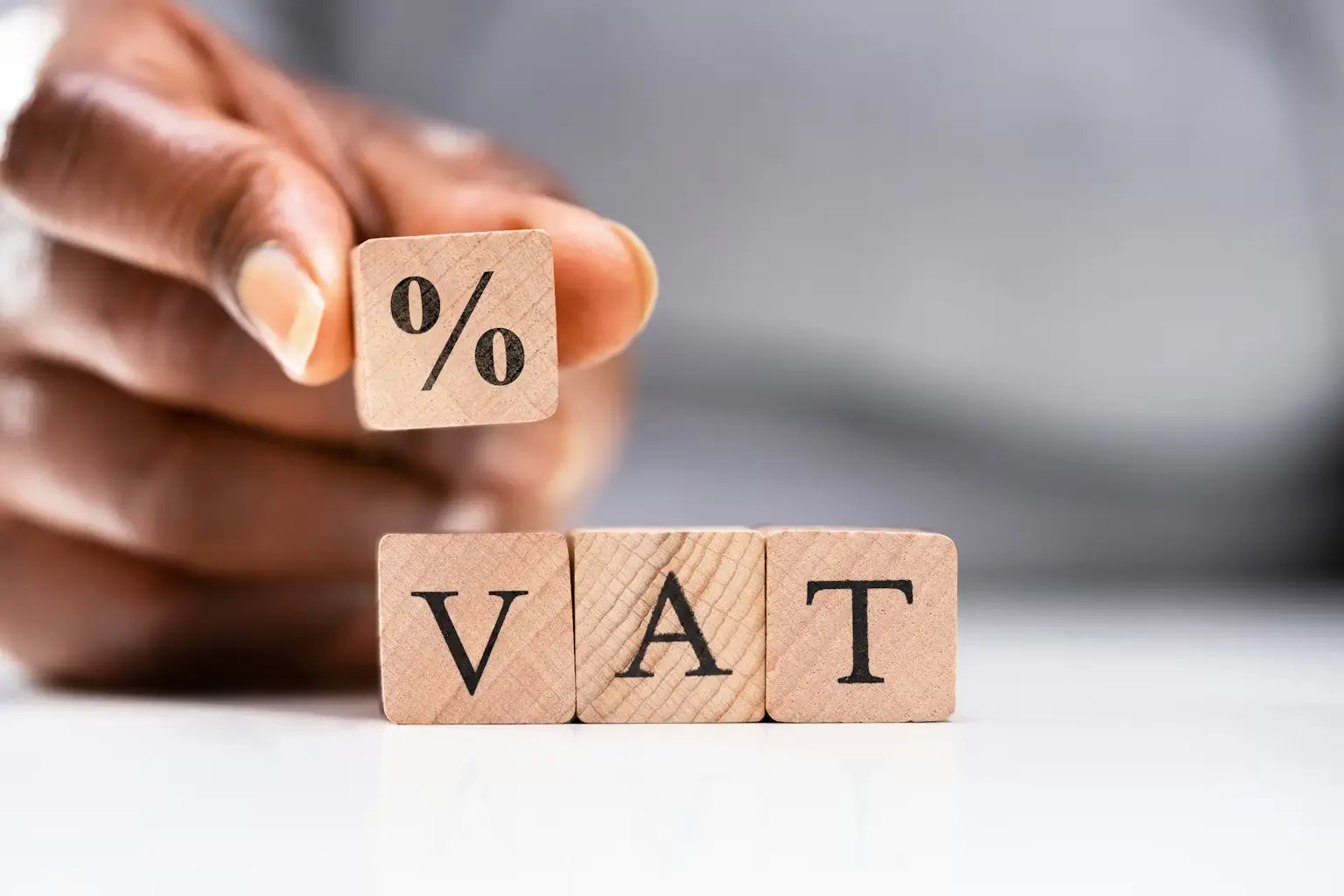
Value Added Tax (VAT) compliance is a critical responsibility for businesses operating in the UAE. Since its introduction, VAT regulations have become an essential part of financial management, and non-compliance can result in penalties and operational challenges. This guide explains everything businesses need to know about VAT compliance in the UAE.
What Is VAT in the UAE?
VAT is an indirect tax applied at a standard rate of 5% on most goods and services. Businesses registered for VAT are required to charge VAT on taxable supplies and submit periodic VAT returns to the Federal Tax Authority (FTA).
Who Needs to Register for VAT?
Businesses must register for VAT if:
- Their taxable supplies exceed AED 375,000 annually (mandatory)
- Their taxable supplies exceed AED 187,500 (voluntary)
VAT registration ensures compliance and allows businesses to reclaim input VAT on eligible expenses.
VAT Filing and Record-Keeping Requirements
Registered businesses must:
- Maintain proper accounting records
- Issue compliant tax invoices
- File VAT returns on time (monthly or quarterly)
- Pay VAT dues within the specified deadlines
Accurate bookkeeping plays a key role in avoiding errors and penalties.
Common VAT Mistakes Businesses Should Avoid
- Late VAT registration
- Incorrect VAT calculations
- Missing filing deadlines
- Poor documentation and record-keeping
Professional accounting support helps eliminate these risks.
Conclusion
VAT compliance in the UAE requires accuracy, consistency, and expert knowledge. Partnering with an experienced accounting firm ensures your business stays compliant while focusing on growth.